
Electric vs Diesel Forklift
Electric vs diesel forklift comparison for indoor and outdoor use, mapped to CHL series.
The core trade-off
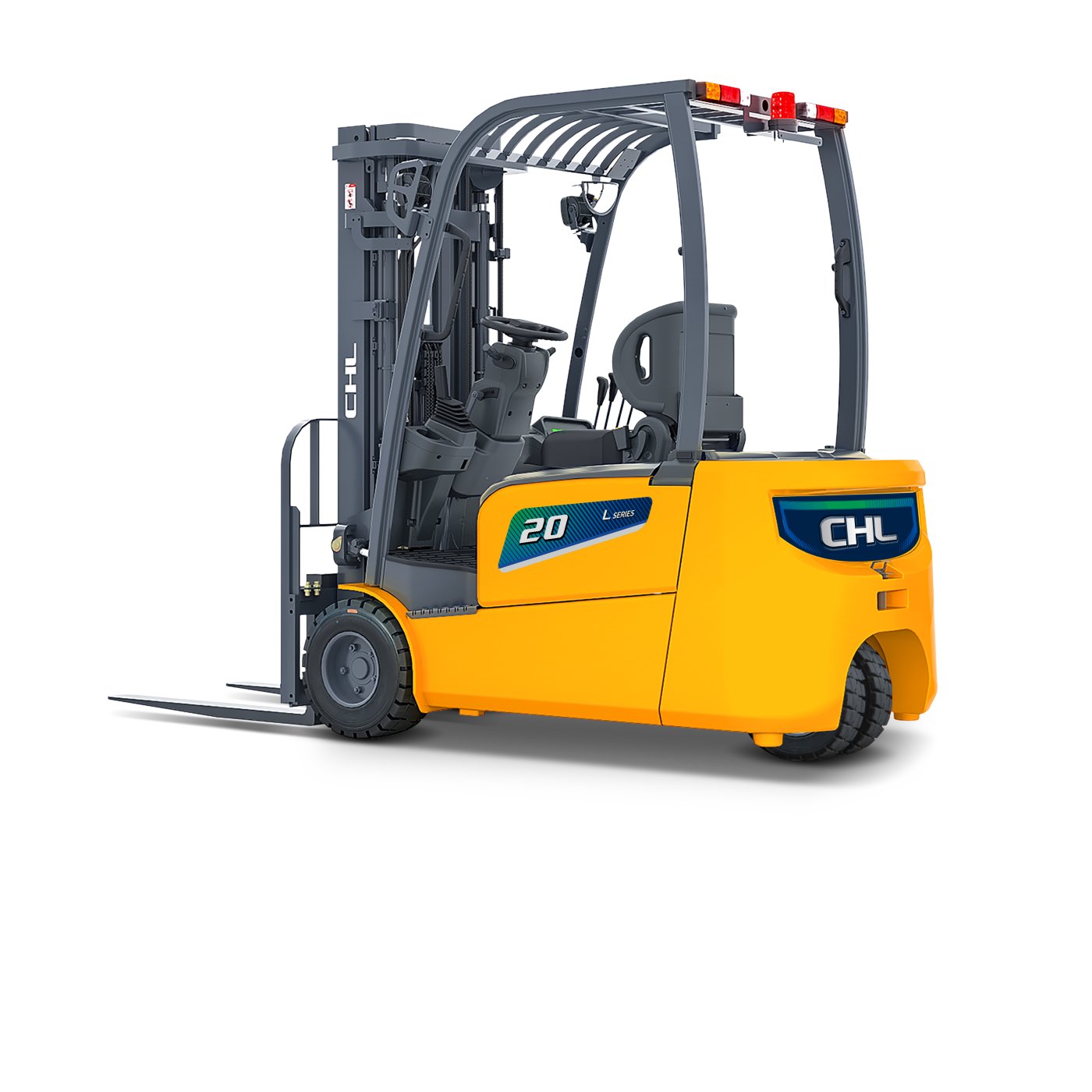
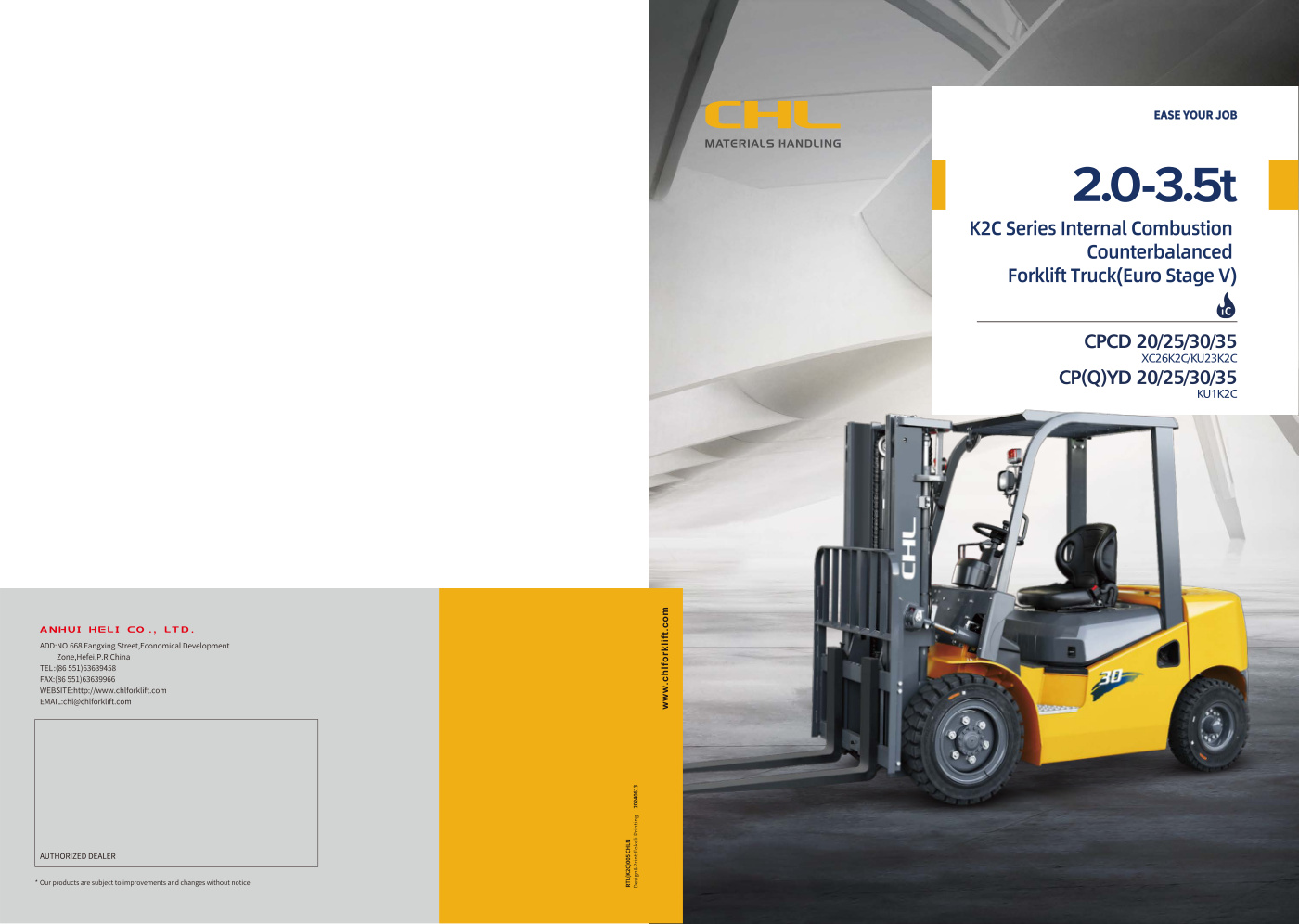
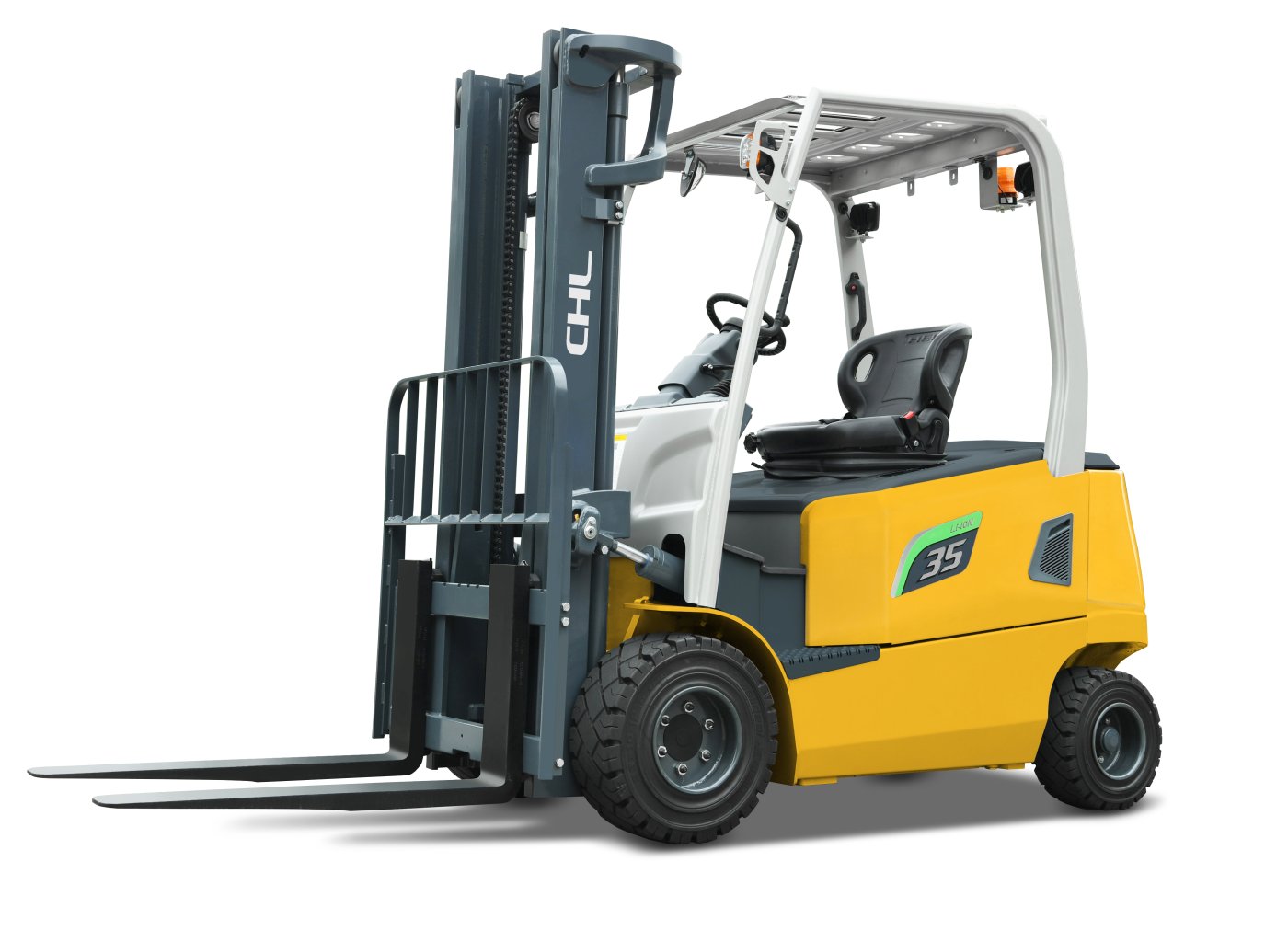
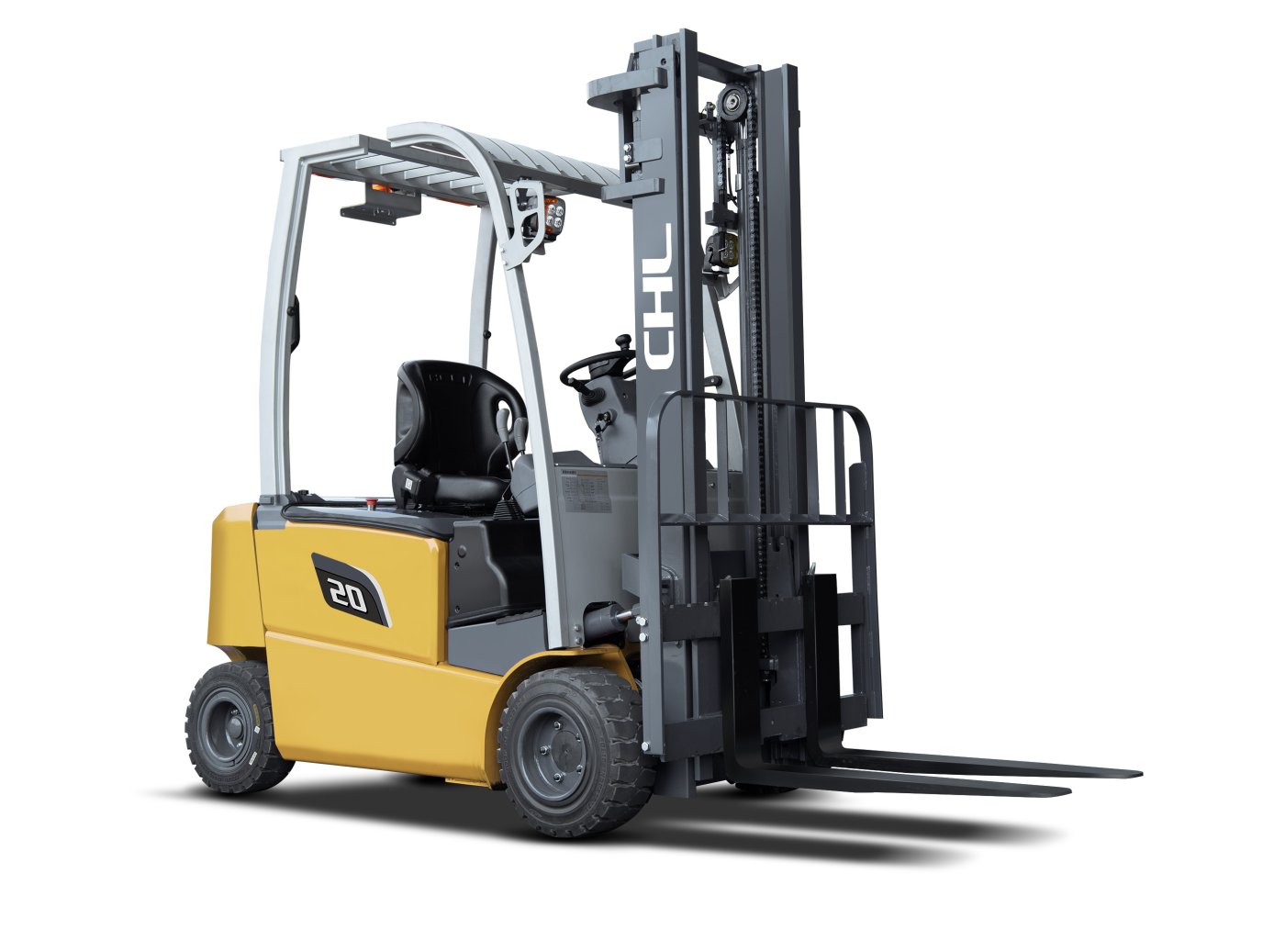
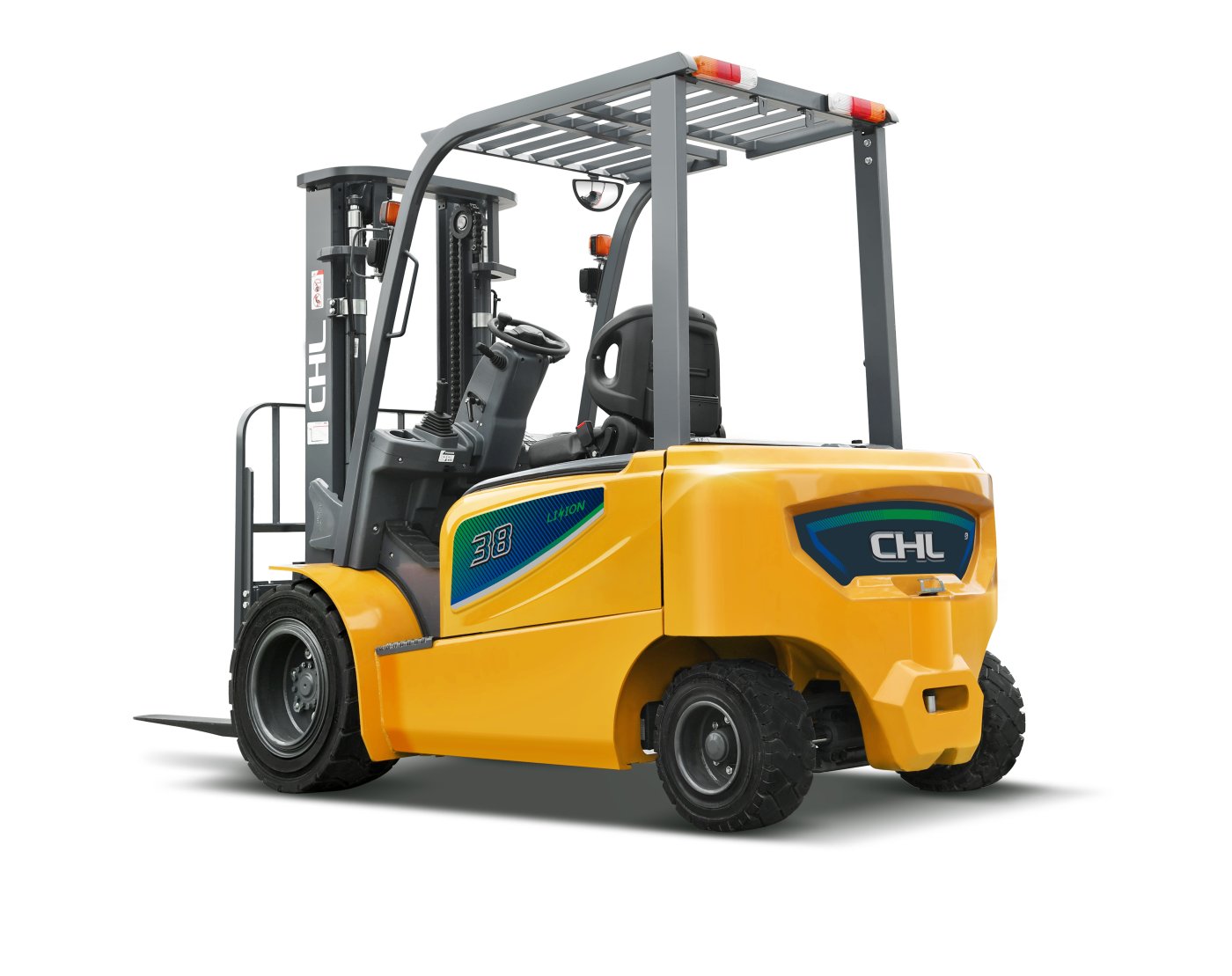
Electric and diesel forklifts can both move pallets; the difference is usually emissions, noise, energy cost, refueling speed and ground conditions. At CHL, electric is represented by G3, H4 and H2; diesel by K2C and rough-terrain R.
Pros and cons
Choose electric for indoor warehouses, food/logistics facilities, and low-emission or low-noise requirements. Energy cost depends on electricity rates; maintenance is often lower than diesel.
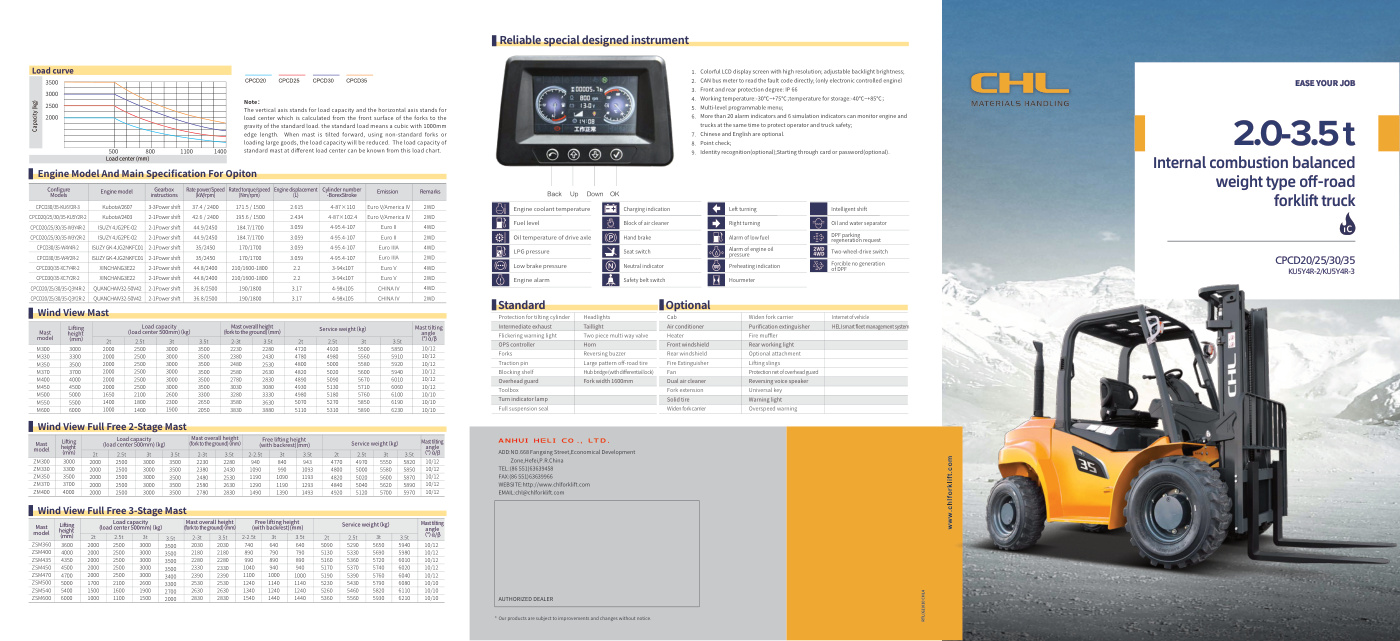
Diesel fits long outdoor shifts, steeper grades, rough terrain and fast refueling. With indoor exhaust and noise limits, diesel is usually not the right fit.
| Electric (G3 / H4 / H2) | Diesel (K2C / R) | |
|---|---|---|
| Pros |
|
|
| Cons |
|
|
Use-case mapping
Map typical scenarios to your operation. “Occasionally outdoors” is not the same choice as “all-day open yard.”
- Indoor warehouse / production → electric (G3 / H4 / H2)
- Mixed indoor/outdoor with emission limits → electric
- Outdoor heavy duty → diesel (K2C)
- Rough terrain / site-like ground → R (rough terrain)
- Cold storage → check cold-storage variants on product pages
CHL series pointers
G3 and H4 are the main electric counterbalance families for warehouse and production; H2 completes the mid electric range. K2C is diesel counterbalance; R is rough-terrain diesel. For high-voltage lithium, see K2C HV models. For a series overview, open the CHL Series Guide.
Decision checklist
Answer these before requesting a quote.
- What share of the day is spent indoors?
- Is charging space and electrical capacity available—or is fueling easier?
- Do noise or emission policies apply?
- Is the floor flat or rough; are there grades?