
Pallet Truck & Stacker Selection
Pallet trucks for floor transport vs stackers for short stacking: CBD and CDD series guidance.
Transport or stacking?
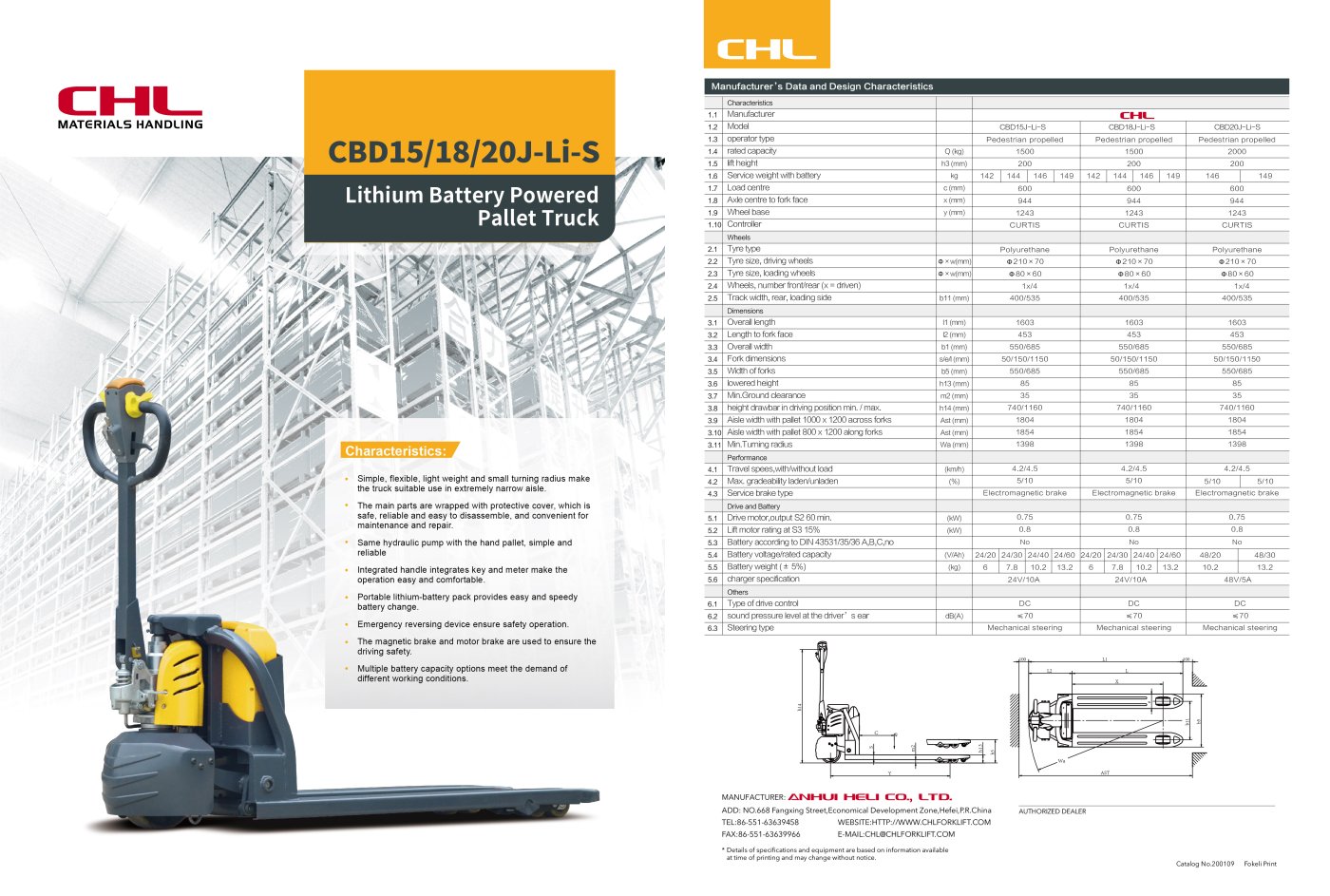
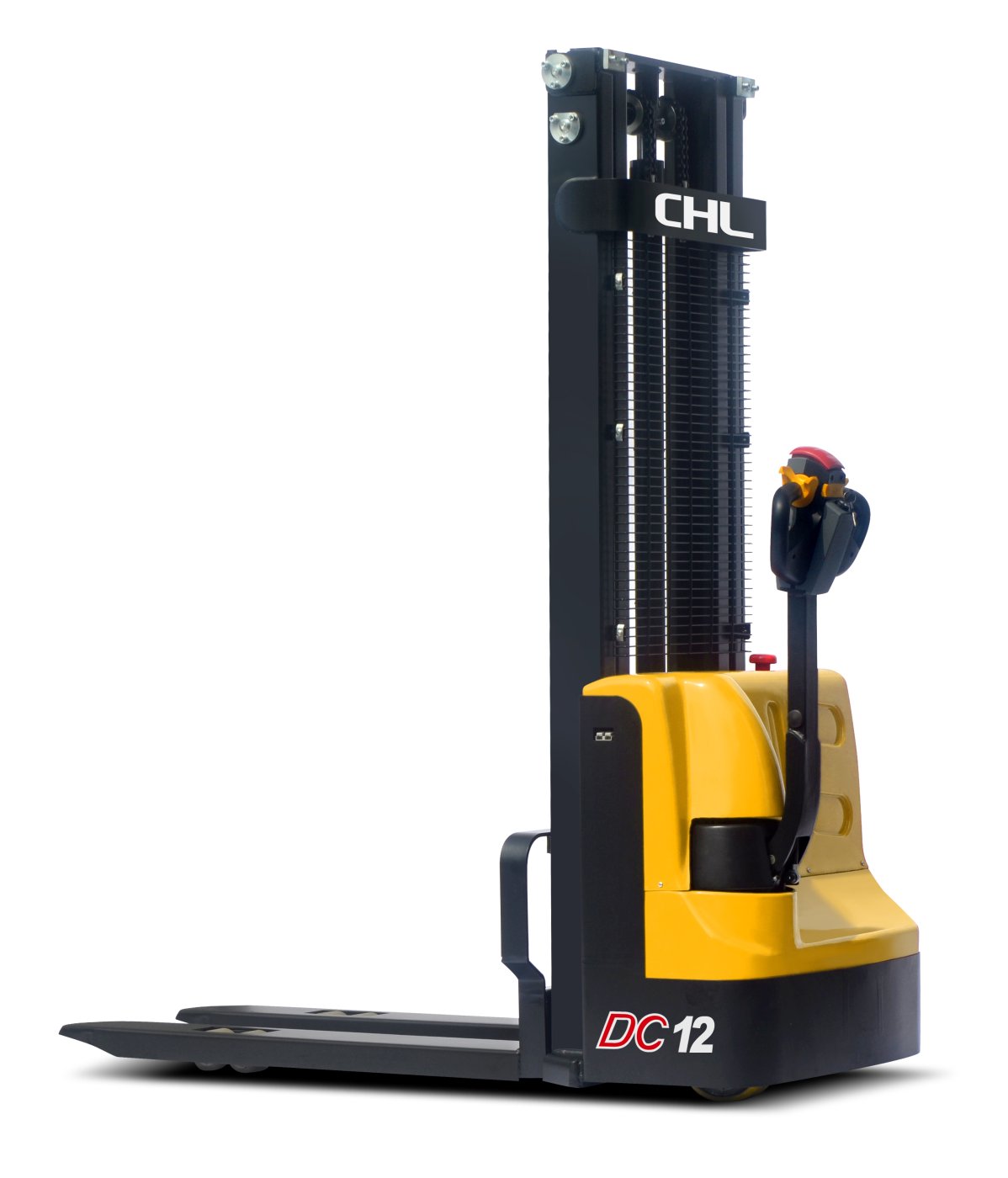
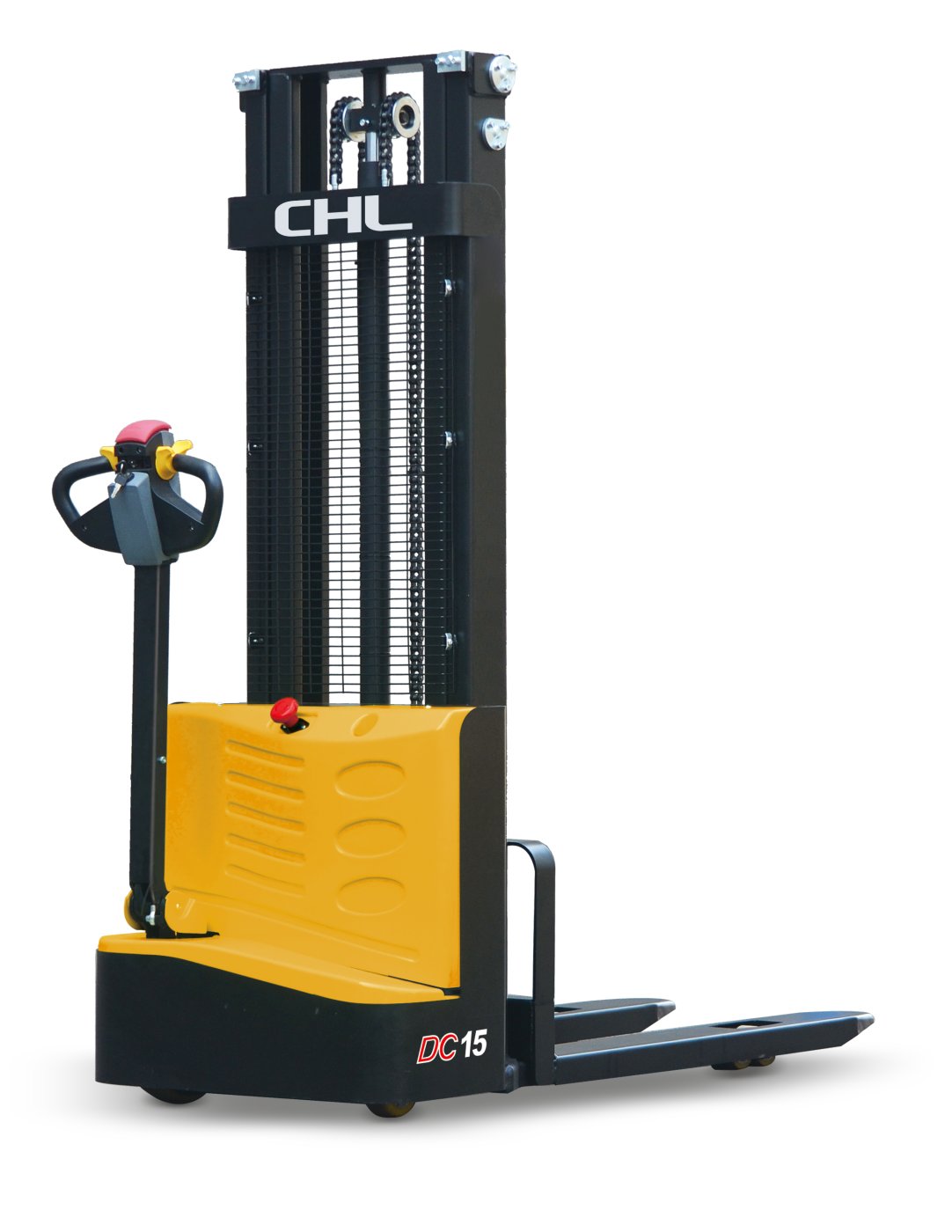
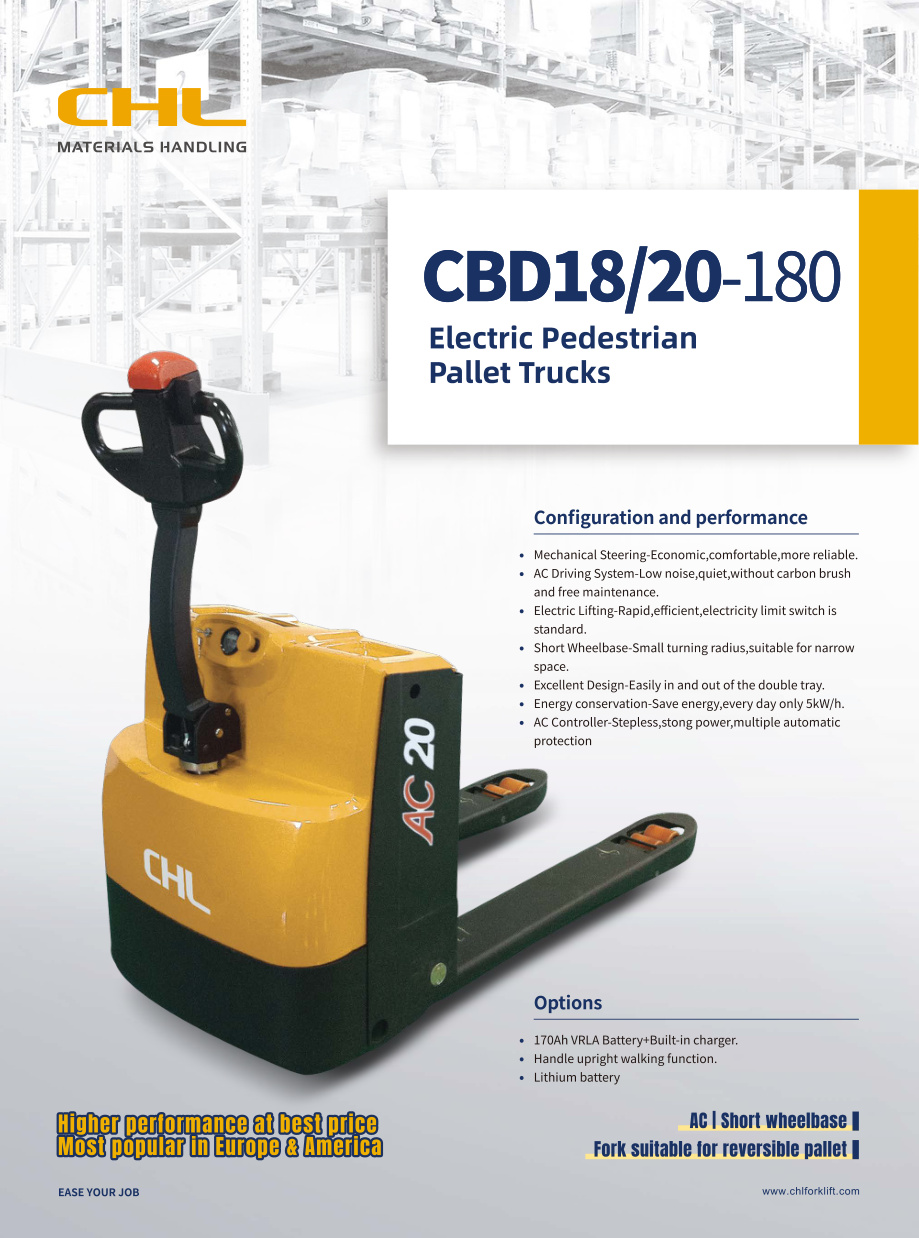
An electric pallet truck (CBD) moves pallets short distances on the floor—enough for docks, unloading and line feeding. A stacker (CDD) lifts pallets a few levels, places into low racking or short-stacks in production. The same “electric” label covers two jobs; write the duty first.
When to choose a pallet truck (CBD)
Lift height is typically low (often discussed around ~200 mm in the industry; exact values are in the model table). CHL CBD covers walk types across capacities. For long runs or high racks, move up to a forklift or reach truck.
- Floor moves between dock and line
- When lifting the pallet just off the floor is enough
- Tight spaces, frequent turns, short loops
When to choose a stacker (CDD)
CDD includes walk and ride-on types; lift height is clearly higher than a pallet truck. It fits low-to-mid rack levels and block stacking; very high racks and narrow aisles move into reach truck (G2) territory.
- Stacking pallets a few levels high
- Putaway / pick at low rack levels
- Jobs taller than a pallet truck but not as “heavy” as a forklift
Walk vs ride-on
Walk types suit tight spaces and short runs; ride-on types suit longer aisles and reduced operator fatigue. Check the Operation Type row on each product card. As distance and trip count rise, take ride-on options seriously.
Capacity and height
Size capacity to your heaviest pallet and height to your highest stack or rack level. Note any attachment or long-fork needs in the quote. Do not equate CBD and CDD by the same ton label alone—the job types differ.
Selection checklist
Clarify before purchase or rental.
- Duty: transport only, or stacking too?
- Maximum pallet weight
- Required lift height
- Walk or ride-on? (trip distance)
- Aisle / maneuvering space
- Battery type (lithium / lead-acid) and charging access